

The Spiritual Significance of Gaya, Bihar
Gaya is one of the holiest pilgrimage destinations in India and is regarded as the most sacred place for performing Pind Daan, Shraddha, and Tarpan according to Hindu traditions.
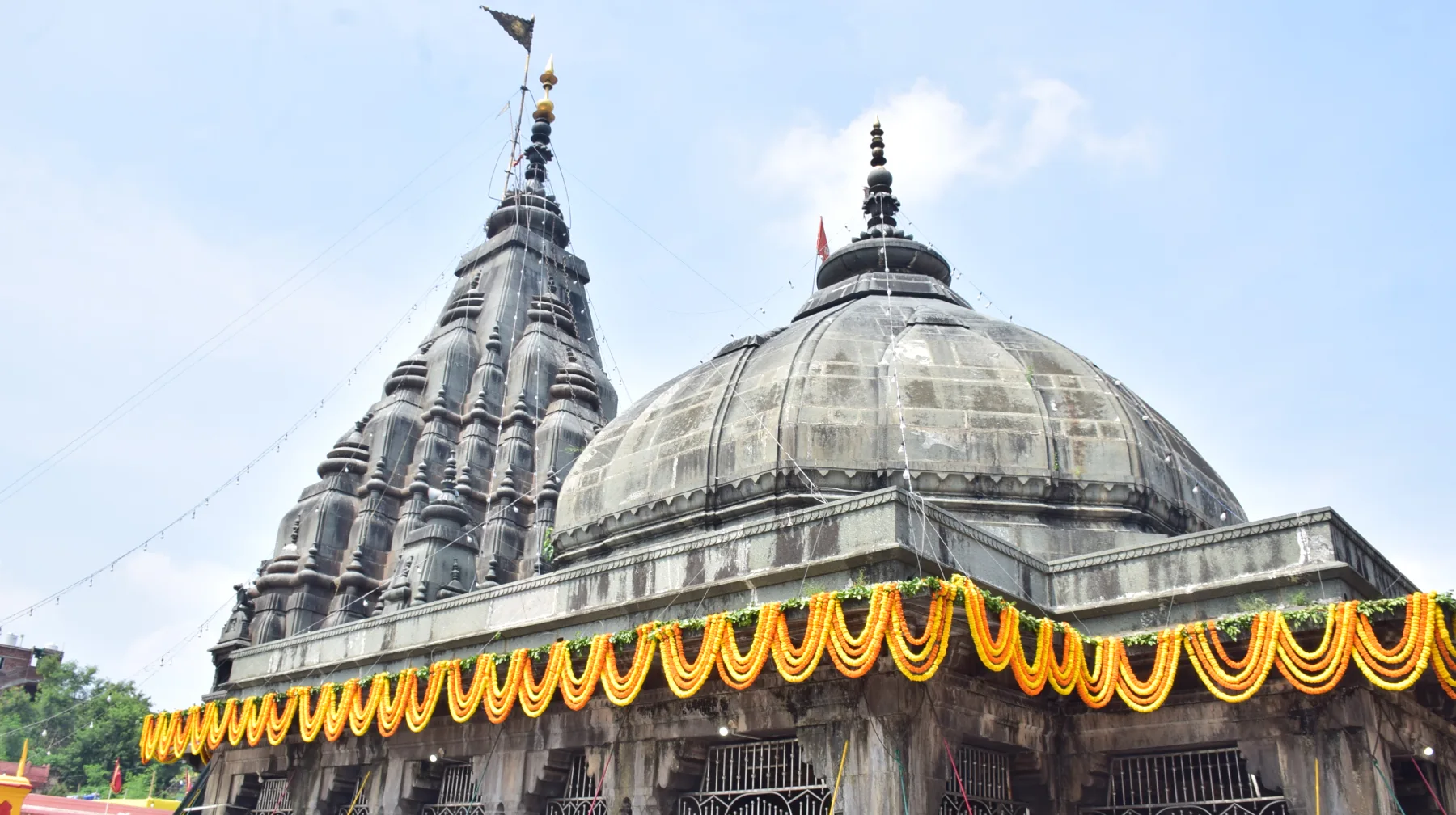
Introduction to the Holy City of Gaya
Situated on the banks of the sacred Falgu River in the state of Bihar, Gaya has been a centre of faith and spirituality for thousands of years. Mentioned in ancient Hindu scriptures including the Garuda Purana, Vayu Purana, Agni Purana and various Smritis, Gaya occupies a unique place among India's most revered pilgrimage destinations. Unlike other holy cities that are primarily associated with the worship of specific deities, Gaya is especially known for its deep connection with ancestral worship and the sacred duty of remembering one's forefathers through Pind Daan and Shraddha rituals.
Every year, devotees from every corner of India as well as countries around the world travel to Gaya to fulfil one of the most important duties prescribed in Sanatan Dharma—the offering of prayers, Pind Daan, and Tarpan for departed ancestors. This tradition has continued uninterrupted for centuries, making Gaya one of the oldest continuously visited pilgrimage centres in the world.
The spiritual atmosphere of Gaya is unlike any other place. The chanting of Vedic mantras, the presence of experienced priests, and the sacred surroundings of Vishnupad Temple and the Falgu River create an environment where devotees can perform rituals with complete devotion and faith. Families often travel together to honour their ancestors and seek blessings for happiness, prosperity, and harmony in their lives.
Did You Know?
According to Hindu belief, performing Pind Daan in Gaya only once is considered highly meritorious and is believed to bring peace to departed souls while blessing future generations with prosperity and spiritual well-being.
Why Gaya Holds Exceptional Importance in Hinduism
The religious importance of Gaya is deeply rooted in Hindu mythology. According to ancient legends, Lord Vishnu placed His divine foot upon the body of the demon Gayasura, who had performed intense penance and received extraordinary spiritual powers. Blessed by Lord Vishnu, Gayasura's body transformed into the sacred land now known as Gaya. The footprint of Lord Vishnu, preserved inside the famous Vishnupad Temple, remains the city's most revered symbol and attracts millions of pilgrims every year.
Because of this divine association, Hindus believe that prayers offered in Gaya possess unique spiritual significance. It is said that the offerings made here are directly accepted by the ancestors, helping them attain peace and liberation. This belief has been passed down through generations and continues to inspire devotees to undertake the sacred pilgrimage to Gaya with faith and devotion.
Beyond its mythological significance, Gaya represents gratitude, remembrance, and family values. Performing ancestral rituals is regarded not merely as a religious ceremony but as an expression of respect towards previous generations. The pilgrimage reminds devotees of their connection with their family lineage and encourages them to preserve traditions that have existed for centuries.
The Sacred Tradition of Pind Daan in Gaya
Pind Daan is one of the most important rituals prescribed in Hinduism for expressing gratitude towards departed ancestors. The ritual involves offering symbolic pindas prepared from rice flour, barley, sesame seeds, and other sacred ingredients while Vedic mantras are chanted by experienced priests. These offerings represent devotion, remembrance, and prayers for the eternal peace of ancestral souls.
Among all pilgrimage destinations in India, Gaya is considered the most sacred place for performing Pind Daan. Hindu scriptures explain that completing this ritual in Gaya provides immense spiritual merit and fulfils one's duties towards parents, grandparents, and ancestors. For this reason, countless families choose Gaya as the destination for performing these important rites according to authentic Vedic traditions.
The ritual is not limited to Pitru Paksha alone. Devotees visit Gaya throughout the year to perform Pind Daan, Shraddha, Narayan Bali, Tripindi Shraddha, and Tarpan under the guidance of experienced local priests. Every ceremony is conducted with devotion and according to age-old customs that have been preserved for generations.
The Divine Importance of Vishnupad Temple
The Vishnupad Temple is the spiritual heart of Gaya and one of the most revered temples dedicated to Lord Vishnu. The temple is famous for preserving the sacred footprint of Lord Vishnu, which is believed to have been imprinted when He blessed Gayasura. This divine footprint has made the temple one of the holiest pilgrimage destinations for Hindus from all over the world.
For devotees visiting Gaya, the pilgrimage generally begins at the Vishnupad Temple. Under the guidance of experienced Vedic priests, pilgrims perform Sankalp, offer prayers to Lord Vishnu, and begin the sacred process of Pind Daan. The peaceful atmosphere, continuous chanting of Vedic mantras, and centuries-old traditions make every visit a deeply spiritual experience.
The temple not only represents devotion to Lord Vishnu but also symbolizes the eternal bond between generations. Every prayer offered here is believed to carry immense spiritual merit, making it an essential destination for those seeking blessings for their ancestors and their families.
The Sacred Falgu River
The Falgu River holds exceptional religious importance in Hinduism and forms an essential part of every Pind Daan pilgrimage. Devotees offer Tarpan and sacred water to their ancestors on its holy banks, praying for their eternal peace. The river is mentioned in several ancient scriptures and is closely associated with the story of Mata Sita, making it one of the holiest rivers for ancestral worship.
Other Sacred Places in Gaya
A pilgrimage to Gaya is considered complete only after visiting several sacred places associated with ancestral rituals. Each site has its own religious significance and forms an important part of the traditional Pind Daan process.
Akshay Vat
Akshay Vat, the eternal banyan tree, symbolizes immortality and everlasting blessings. According to Hindu belief, prayers offered beneath this sacred tree remain eternal. Devotees perform important rituals here while praying for peace, prosperity, and liberation of their ancestors.
Preta Shila
Preta Shila is regarded as one of the most sacred places for performing rituals dedicated to departed souls. Thousands of devotees visit this holy hill every year to complete important ceremonies that are believed to help ancestors attain liberation from worldly attachments.
Ram Shila
Ram Shila is associated with Lord Rama, who is believed to have performed Pind Daan here for his father, King Dasharatha. Because of this divine connection, Ram Shila continues to be an important destination for devotees seeking to perform ancestral rites according to ancient traditions.
Brahma Yoni Hill
Brahma Yoni is a spiritually significant hill visited by pilgrims for meditation, worship, and divine blessings. The peaceful surroundings and panoramic view of Gaya make it a memorable destination for visitors seeking both spiritual and natural beauty.
Why Every Hindu Should Visit Gaya
Visiting Gaya is much more than a religious journey—it is an opportunity to honour one's ancestors, preserve family traditions, and fulfil one of the most sacred duties described in Hindu scriptures. Performing Pind Daan in Gaya is believed to bring peace to departed souls while blessing the family with happiness, harmony, prosperity, and spiritual well-being.
Every year, lakhs of devotees visit Gaya not only during Pitru Paksha but throughout the year to perform Shraddha, Tarpan, Narayan Bali, Tripindi Shraddha, and Pitru Dosh Nivaran Puja. The city's timeless traditions, sacred temples, and holy sites continue to inspire faith among pilgrims from India and abroad.
Need Guidance for Pind Daan in Gaya?
If you are planning to visit Gaya for Pind Daan, Shraddha Puja, Tarpan, Narayan Bali, Tripindi Shraddha, or Pitru Dosh Nivaran Puja, experienced local Vedic priest Pandit Rishikesh Gurda provides complete assistance for devotees visiting the holy city.
From advance booking and explaining the rituals to conducting the complete ceremony at Vishnupad Temple, Falgu River, Akshay Vat, Preta Shila, and other sacred places, Pandit Ji personally guides devotees according to authentic Vedic traditions.
📞 Phone : +91-9431056800
💬 WhatsApp : +91-9931022102
📍 Address : Mohalla - Deoghat Suryakund Ward no 40 Po -Chand chaora Ps - Vishnupad Gaya Pin code 823001, Bihar
Conclusion
The sacred city of Gaya has preserved the tradition of Pind Daan and ancestral worship for thousands of years. Its association with Lord Vishnu, the holy Falgu River, Akshay Vat, Preta Shila, Ram Shila, and other revered sites makes it one of the most spiritually significant pilgrimage destinations in India.
Whether you are visiting for the first time or returning to continue your family's traditions, Gaya offers a deeply meaningful spiritual experience. Performing Pind Daan with devotion under the guidance of an experienced local priest ensures that every ritual is completed according to authentic Vedic customs, allowing devotees to honour their ancestors with faith, gratitude, and reverence.